

Alternatives to What Time
What Time simplifies global collaboration by effortlessly comparing time zones and planning meetings for teams and remote workers.
Explore 14 alternatives to What Time. Compare features, pricing, and find the best fit for your needs.
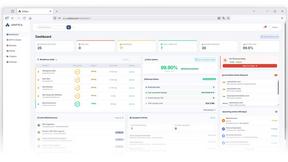
Unifyca
Unifyca transforms scattered client website chaos into one unified platform for documentation, maintenance, and backup control.
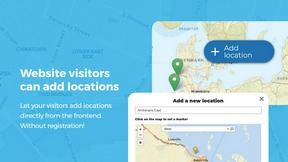
Open User Map
Turn your WordPress site into a living community map where visitors add and manage locations, all without coding or API keys.

aihairstylegen
Stop guessing and start glowing with AI hairstyles that map perfectly to your face, letting you preview 40+ trending styles and salon-grade colors on.
Shadcn Examples
Unlock your web development potential with Shadcn Examples, a powerful collection of reusable React and Tailwind UI kits for stunning apps.
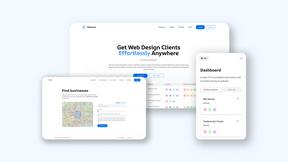
Webleadr
Webleadr instantly finds and contacts businesses without websites so you can transform them into your next web design clients.

SiteMd
Transform your website's health with SiteMd, the fast and easy tool that identifies issues and provides actionable fixes in seconds.

Idearium
Idearium empowers businesses in Toronto by crafting impactful websites that drive growth and inspire memorable digital.
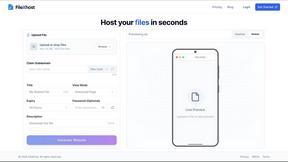
FilexHost
Effortlessly host and share any file in seconds with FilexHost's simple drag-and-drop and secure sharing features.


Best Boilerplates
Accelerate your SaaS launch by finding the ideal boilerplate to build your perfect technical foundation effortlessly.
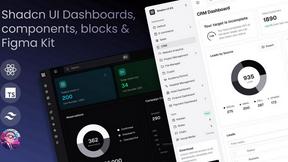
Shadcn UI Kit
Accelerate your development with the Shadcn UI Kit's ready-to-use dashboards, templates, and components for React.

Clio Websites
Transform your business with Clio Websites, creating custom sites that attract customers and drive growth effortlessly.
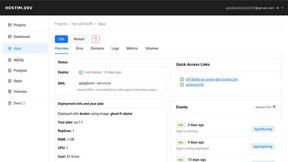
Hostim.dev
Easily deploy your full app stack on EU servers with built-in databases for fast, secure, and predictable hosting.

About What Time Alternatives
WhatTime.dev is a modern time zone and meeting planner tool designed to optimize collaboration across global teams, remote workers, and clients. As part of the web development category, it enables users to effortlessly compare time zones, check UTC and GMT offsets, and efficiently plan meetings across various regions. With its user-friendly interface, WhatTime.dev aims to eliminate the confusion that often comes with scheduling across different time zones, especially during daylight saving changes. Users often seek alternatives to WhatTime for a variety of reasons. Some may be looking for different pricing structures that better fit their budget or specific feature sets that cater to their unique needs. Others might have preferences for certain platforms or integrations that are not supported by WhatTime. When choosing an alternative, it’s essential to consider factors such as user experience, speed, reliability, and the specific features that align with your collaboration requirements, ensuring a seamless transition and enhanced productivity.
FAQs about What Time Alternatives
What is What Time?
WhatTime.dev is a modern online platform that allows users to compare time zones, check UTC and GMT offsets, and plan meetings across different regions with ease. It is specifically designed for remote teams, freelancers, developers, and businesses working across multiple time zones. The tool aims to simplify the complexities of international scheduling and enhance collaborative efforts.
Who is What Time for?
WhatTime is ideal for remote teams, freelancers, developers, and businesses that operate across different countries and time zones. It caters to anyone needing to coordinate meetings, manage distributed teams, or check world times effectively. Whether you are a professional working with global clients or a team leader scheduling calls, WhatTime is built to meet those needs.
Is What Time free?
WhatTime.dev offers a fast and modern experience for users, but specific pricing details may vary. Generally, the platform provides a clean interface and a range of features designed to enhance productivity and streamline scheduling. Users should visit the website to find the most accurate and up-to-date information regarding any potential costs.
What are the main features of What Time?
Key features of WhatTime.dev include time zone comparison between cities and countries, a powerful meeting planner for remote collaboration, and accurate world clock functionality. The platform also supports UTC and GMT offset lookups and offers a mobile-friendly interface designed for quick access and readability. Its user-centric design minimizes clutter and focuses on delivering essential tools efficiently.