HookMesh vs Requestly
Side-by-side comparison to help you choose the right AI tool.

Transform your SaaS with HookMesh for seamless webhook delivery, automatic retries, and a self-service customer portal.
Last updated: February 26, 2026

Requestly is a fast, git-based API client that enables easy collaboration without login, making API testing effortless and efficient.
Visual Comparison
HookMesh
Requestly
Overview
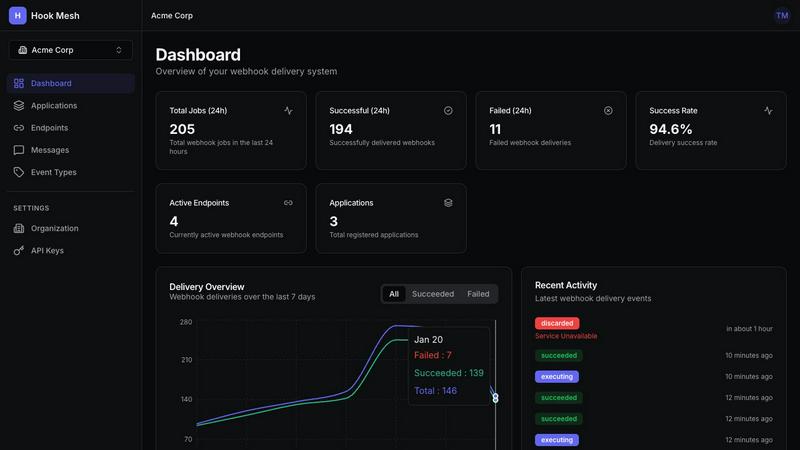
About HookMesh
HookMesh is a groundbreaking platform designed to revolutionize webhook delivery for modern SaaS products. In today's fast-paced digital landscape, the ability to send and receive webhooks reliably is crucial for maintaining a seamless user experience. HookMesh eliminates the headaches associated with building webhooks in-house, such as complex retry logic, circuit breakers, and the arduous process of debugging delivery issues. By offering a robust, battle-tested infrastructure, HookMesh empowers businesses to concentrate on their core products rather than getting mired in the technical intricacies of webhook management. Ideal for developers and product teams, HookMesh ensures consistent and reliable delivery of webhook events, providing peace of mind to organizations. Its self-service customer portal enhances user experience, allowing customers to manage their endpoints effortlessly and replay failed webhooks with just a click. With HookMesh, organizations can embrace innovation confidently, knowing their webhook strategy is in capable hands.
About Requestly
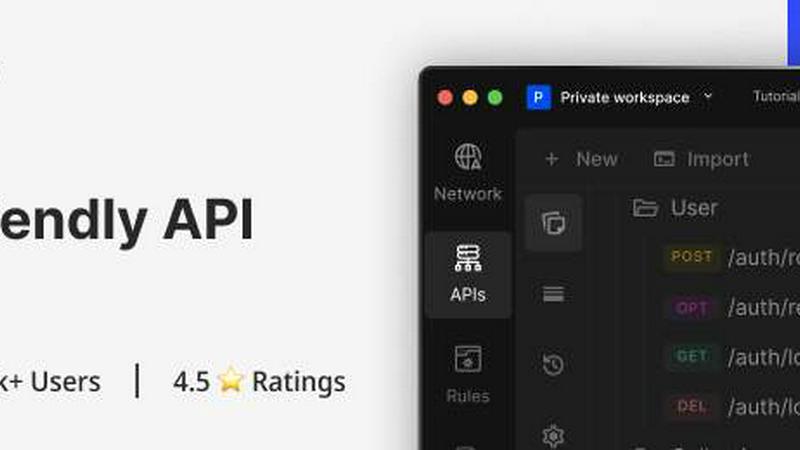
Requestly is a modern, lightweight API client designed specifically for development teams that prioritize control and efficiency in their API workflows. Unlike traditional cloud-based solutions, Requestly operates with a local-first approach, ensuring that your data remains secure and stored directly on your machine. This is a significant advantage for teams looking to maintain version control over their API collections, as Requestly allows collections to be stored as files that can easily integrate with Git. With the power of AI integrated into its core, Requestly not only streamlines the process of writing requests and generating tests but also enhances debugging capabilities, making it faster and easier for developers to work with APIs. It supports both REST and GraphQL, offering features like schema introspection, pre/post request scripts, and environment variables. The platform also encourages collaboration with its free-tier features, which include shared workspaces and role-based access control. With no sign-up required, developers can start using Requestly immediately, a feature that has gained the trust of over 300,000 users from top companies like Microsoft, Amazon, Google, and Adobe.