DigitalMagicWand vs Prefactor
Side-by-side comparison to help you choose the right AI tool.

DigitalMagicWand
AI for visuals, audio, video & text.

Prefactor
Govern your AI agents effortlessly with Prefactor's unified control plane for security, compliance, and real-time.
Last updated: March 1, 2026
Visual Comparison
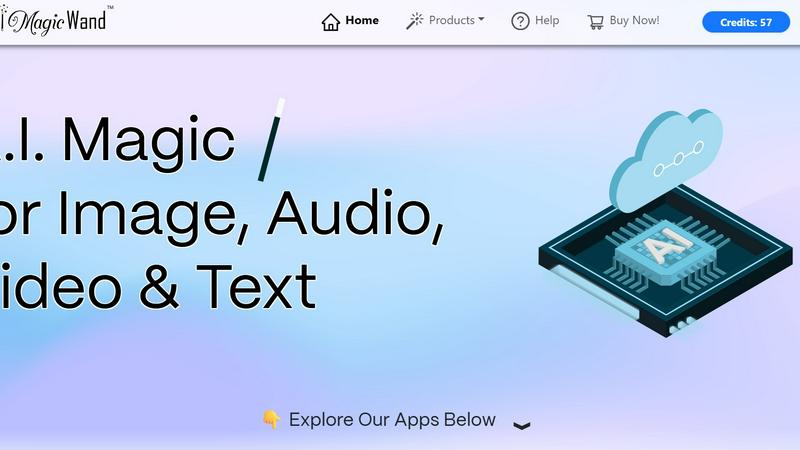
DigitalMagicWand
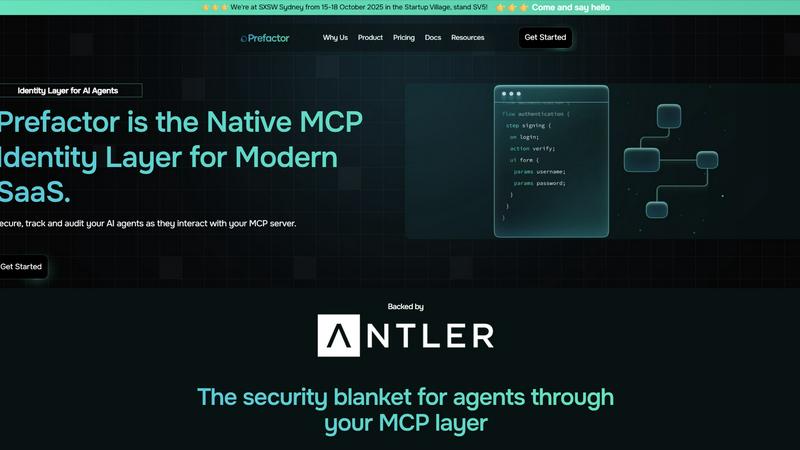
Prefactor
Overview
About DigitalMagicWand
DigitalMagicWand™ is a comprehensive online platform offering AI-powered tools for image, audio, video, and text processing. Our suite of applications helps you enhance, transform, and create digital content using cutting-edge artificial intelligence technology
About Prefactor
Prefactor is the essential control plane for AI agents, designed to empower organizations as they transition from experimental proofs-of-concept to secure, governed, and scalable production deployments. In an era where autonomous AI agents are increasingly integrated into everyday operations, Prefactor addresses the critical governance gap that appears when these agents move from demos to real-world applications. Particularly in regulated industries such as finance, healthcare, and mining, it ensures that organizations have the necessary oversight and control. With Prefactor, every AI agent is assigned a first-class, auditable identity, applying the same stringent identity and access management principles that are effective for human users to autonomous software. This platform is specifically built for product, engineering, security, and compliance teams seeking shared visibility and control over their agent ecosystems. By facilitating real-time monitoring, compliance-ready audit trails, fine-grained policy controls, and enterprise-grade security, Prefactor transforms the complex landscape of agent authentication and governance into a streamlined and elegant layer of trust. It allows companies to innovate confidently, accelerate their time-to-production, and definitively answer the question, “What are our agents doing, and do we have control?”